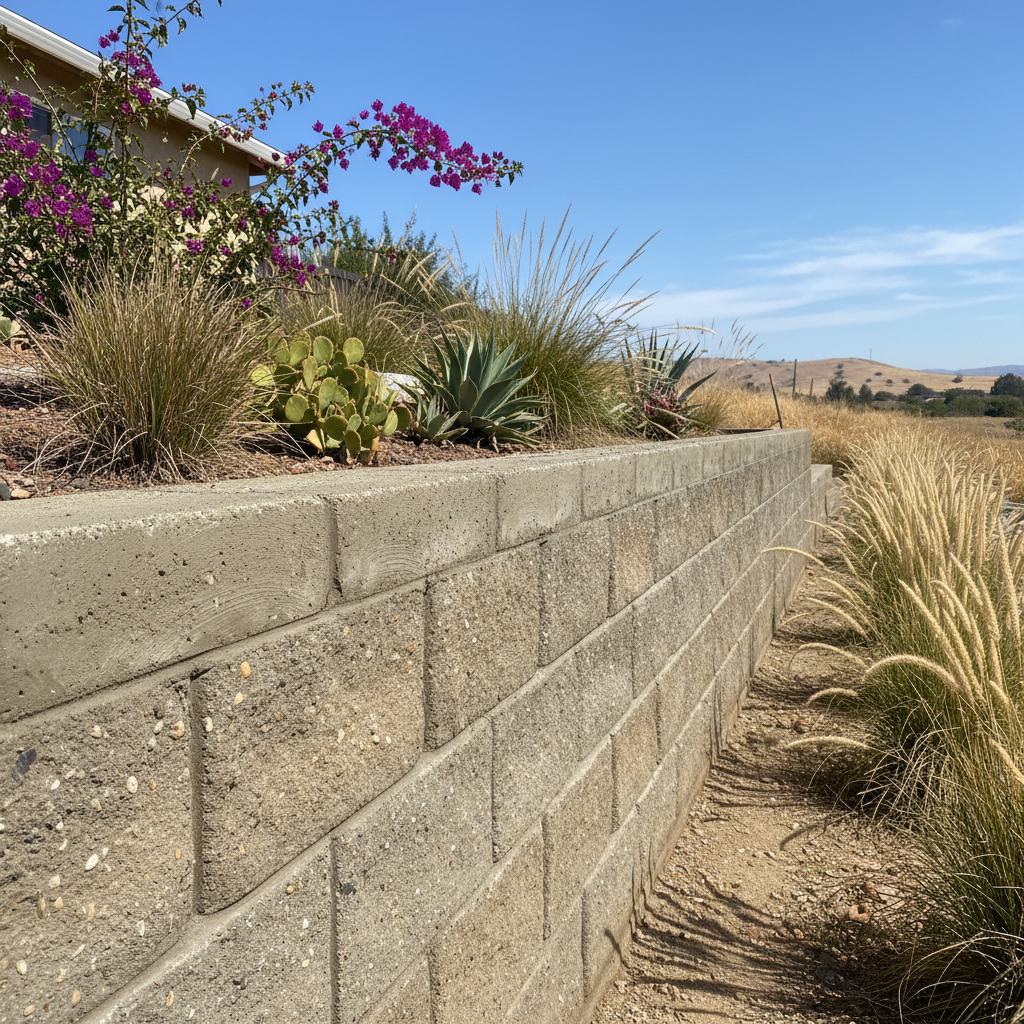
Thinking About a Retaining Wall?
Got a slope in your yard? Maybe some erosion issues? Or perhaps you just want to carve out some usable, level space. A concrete retaining wall often ends up being the best solution. They're strong, they last, and when someone builds them right, they look fantastic. But before you grab a shovel, let's chat about what's actually involved and what you can honestly do yourself versus when you absolutely, positively need to call in a pro.
First off, get this straight: a retaining wall isn't just a stack of blocks. It's a structure built to hold back a serious amount of soil, water, and pressure. If it gives out, it's not just an eyesore; it can be a real danger, potentially damaging your property or even hurting someone. That's why planning is so incredibly important.
Before You Even Dig: The Planning Stage
This is usually where most DIY projects go completely off the rails. You might be able to handle some of this yourself, but don't cut corners. Here's what you'll need to think about:
- Permits: This part isn't optional. Here in Manteca, if your wall stands over 3 feet tall, you'll almost certainly need a building permit from the city. They'll want to see your plans, engineering calculations, and sometimes even soil reports. Trust me, trying to skip this step is just asking for trouble down the road.
- Drainage: Water is the arch-nemesis of any retaining wall. You absolutely need a solid plan for how water will get away from behind the wall. This usually means a perforated pipe (like a French drain, you know?) and gravel backfill. Without good drainage, hydrostatic pressure will build up, and your wall will eventually fail. We see this constantly in our clay-heavy soil around here; water just sits and pushes.
- Footings: The foundation of your retaining wall is super important. It needs to be deep enough, wide enough, and properly reinforced to hold up the wall's weight and all that soil it's keeping back. This is often where an engineer really comes into play.
- Materials: Concrete blocks are common, but you also have options like poured concrete. Each one has its good points and bad points when it comes to strength, how it looks, and what it costs.
For anything over three feet, or if you've got a big slope, or if there are other structures nearby (like your house or a neighbor's fence), you really should talk to an engineer. They'll design the wall to handle the specific loads and soil conditions. This isn't a DIY step; it's a professional one that saves you headaches and money in the long run. Seriously.
During the Build: Where DIY Gets Tricky
Okay, so let's say you've got your plans, your permits, and you're ready to build. What can you actually do yourself?
- Smaller Walls (under 3 feet, non-load bearing): If you're putting up a small, decorative garden wall, or just trying to level out a minor rise, you might be able to handle it. You'll still need to dig a trench for the footing, lay down a gravel base, and make sure everything is perfectly level. Using interlocking concrete blocks is usually the easiest DIY method here. Just make sure you're preparing the base correctly and using a good adhesive between courses.
- Larger Walls or Poured Concrete: This is where you call someone like us, Alpha Concrete. Pouring a concrete retaining wall is a whole different ballgame. It means formwork, rebar placement, and knowing how to pour and cure concrete the right way. You need specialized equipment, a crew, and a ton of experience to get it done properly. If the forms aren't strong enough, or the rebar isn't placed correctly, you're looking at a disaster. The sheer weight and volume of concrete for a big wall are just way beyond what most homeowners can manage safely or effectively.
Even for block walls over three feet, the sheer amount of digging, moving materials, and making sure everything is perfectly level and plumb can be completely overwhelming. Plus, those blocks get heavy, fast.
After the Wall is Built: Maintenance and What to Watch For
Once your retaining wall is up, whether you built it or we did, a little bit of attention goes a long way. Concrete is tough, yes, but it's not indestructible.
- Check for Cracks: Small hairline cracks are pretty normal as concrete dries and settles. But if you see large, widening cracks, or cracks that run horizontally or diagonally through many blocks, that's a big red flag.
- Look for Bulging or Leaning: If any part of the wall starts to bulge outwards or lean, you've got a serious problem. This usually means the drainage system or the foundation has failed, and it needs immediate professional help.
- Monitor Drainage: Make sure the area behind the wall isn't constantly soaked. If you see water pooling or flowing over the top of the wall, your drainage system might be clogged or just not enough. This is especially important during our wet winters; that water has to go somewhere, right?
- Keep it Clean: Clear away any debris or plants that might be growing into or around the wall. Roots can push on things, and debris can clog up the drainage.
For minor fixes, like patching small cracks or re-pointing mortar joints on a block wall, you might be able to handle it. But for anything structural, or if you're seeing signs of failure, don't try to fix it yourself. Call a professional concrete contractor. We can check things out and recommend the right course of action to stop further damage or a complete collapse.
Building a concrete retaining wall is a big project. For anything more than a small, decorative feature, you're usually better off trusting the experts. It's an investment in your property's stability and value, and it's definitely worth doing right the first time.