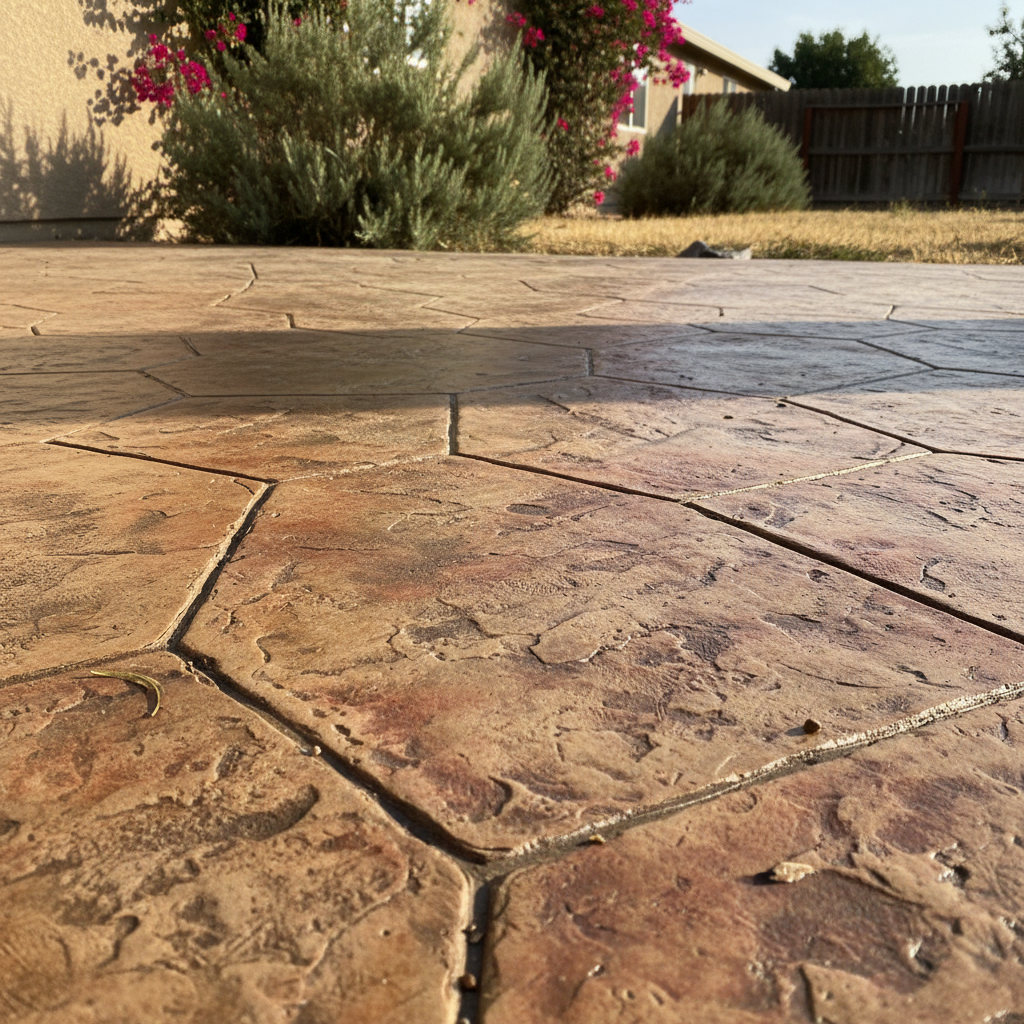
So, you're thinking about some decorative concrete for your place, huh? Maybe a cool stamped patio, a stained walkway, or an exposed aggregate driveway. It's a fantastic way to boost curb appeal and really make your outdoor spaces pop. But before you jump in, you're probably asking yourself: can I tackle this myself, or do I really need to hire someone? Let's break it down.
Before You Even Think About Pouring
First off, let's talk planning. This is where you figure out what you want and if it's even possible. Decorative concrete isn't just about pouring gray stuff; it's about color, texture, and design. You've got options like stamping, staining, exposed aggregate, or even polished concrete if you're thinking about interior floors. Each one has its own unique look and its own set of challenges, believe me.
You need to nail down your budget, obviously. But more importantly, you need to size up the work. Are we talking about a small, simple path, or a whole new pool deck? If it's a tiny patch, say, a 4x4 foot landing for your garbage cans, you might be able to handle the prep work yourself. That means clearing the area, making sure it's level, and building a simple form. But for anything bigger, especially if it's structural or will carry heavy loads like a driveway, you're going to need professional help with the base prep. We're talking proper compaction, grading for drainage (which is super important in our flat Manteca terrain, especially with those heavy winter rains), and setting up really sturdy forms.
Permits. Don't forget 'em. For most significant concrete additions or changes, especially if they affect drainage or property lines, you'll likely need a permit from the city of Manteca. Skipping this step can cause huge headaches down the road. Check with the planning department before you even lift a finger.
During the Project: Where DIY Ends and Pro Begins
Alright, let's get into the actual work. This is where the line between doing it yourself and calling a pro gets really clear. Pouring concrete, especially decorative concrete, isn't a solo job, and it's definitely not for the faint of heart.
- Small, simple pours: If you're doing a small, non-structural slab, like that garbage can pad I mentioned, you could mix bags of concrete yourself. You'll need a mixer, good gloves, and a strong back. The finishing will be basic – a broom finish is probably your best bet for grip and ease.
- Staining an existing slab: This is probably the most DIY-friendly decorative concrete option. If you've got an existing concrete slab that's in good shape (meaning no major cracks or crumbling), you can clean it thoroughly, apply an acid or water-based stain, and then seal it. It takes patience and a good eye for detail, but you don't need heavy equipment. Just make sure you follow the product instructions to the letter and test a small, hidden area first.
- Stamping, Exposed Aggregate, Polishing, or Large Pours: Forget about DIY for these. Seriously. Stamped concrete needs precise timing, specialized stamps, release agents, and a crew that knows how to work together fast. Exposed aggregate needs the right mix design, retardants, and careful washing at just the right moment. Polishing requires heavy, specialized grinding equipment and expertise to get that mirror-like finish. And any large pour, even plain concrete, needs a proper concrete pump or chute, a screed, bull float, and skilled finishers working quickly before the concrete sets. You're dealing with a material that cures on its own schedule, not yours, you know? If you mess up, it's not a simple fix; it's a tear-out and redo, which costs way more than hiring us at Alpha Concrete in the first place.
Think about it: concrete is heavy, it sets fast, and once it's hard, it's hard. There's no undo button. I've seen plenty of homeowners try to save a buck on a big patio, only to end up with a lumpy, uneven, cracked mess that they then pay us even more to jackhammer out and replace. It's just not worth the frustration or the wasted money.
After the Project: Keeping It Looking Good
Whether you DIY'd a small project or hired us for a big one, maintenance is key to keeping your decorative concrete looking sharp for years. This is definitely something you can handle yourself.
- Cleaning: Regular cleaning is a must. Sweep off debris, then use a hose and a mild detergent (like dish soap) with a stiff brush. For tougher stains, a pressure washer on a low setting can work, but be careful not to damage the surface, especially with stamped or stained concrete.
- Sealing: This is perhaps the most important maintenance step for decorative concrete. Sealers protect against stains, UV damage (which can fade colors, especially in our intense Manteca summers), and general wear and tear. Most decorative concrete should be resealed every 2-5 years, depending on traffic and exposure. It's a fairly straightforward process: clean the surface thoroughly, let it dry completely, and then apply the sealer with a roller or sprayer according to the manufacturer's instructions. Don't over-apply, or you'll get a milky look.
- Cracks: Even with the best installation, concrete can crack. It just does that. Small hairline cracks often aren't anything to worry about. If you see larger, spreading cracks, especially if they're uneven or creating trip hazards, that's when you might need to call a professional for repair. Sometimes, these indicate a deeper issue with the sub-base.
So, there you have it. Small, simple projects like staining an existing slab or pouring a tiny pad? Go for it if you're handy and patient. Anything larger, more complex, or needing specific finishes like stamping or exposed aggregate? Save yourself the headache, the backache, and the potential costly mistakes, and bring in a professional. We've got the tools, the experience, and the crew to get it done right the first time.