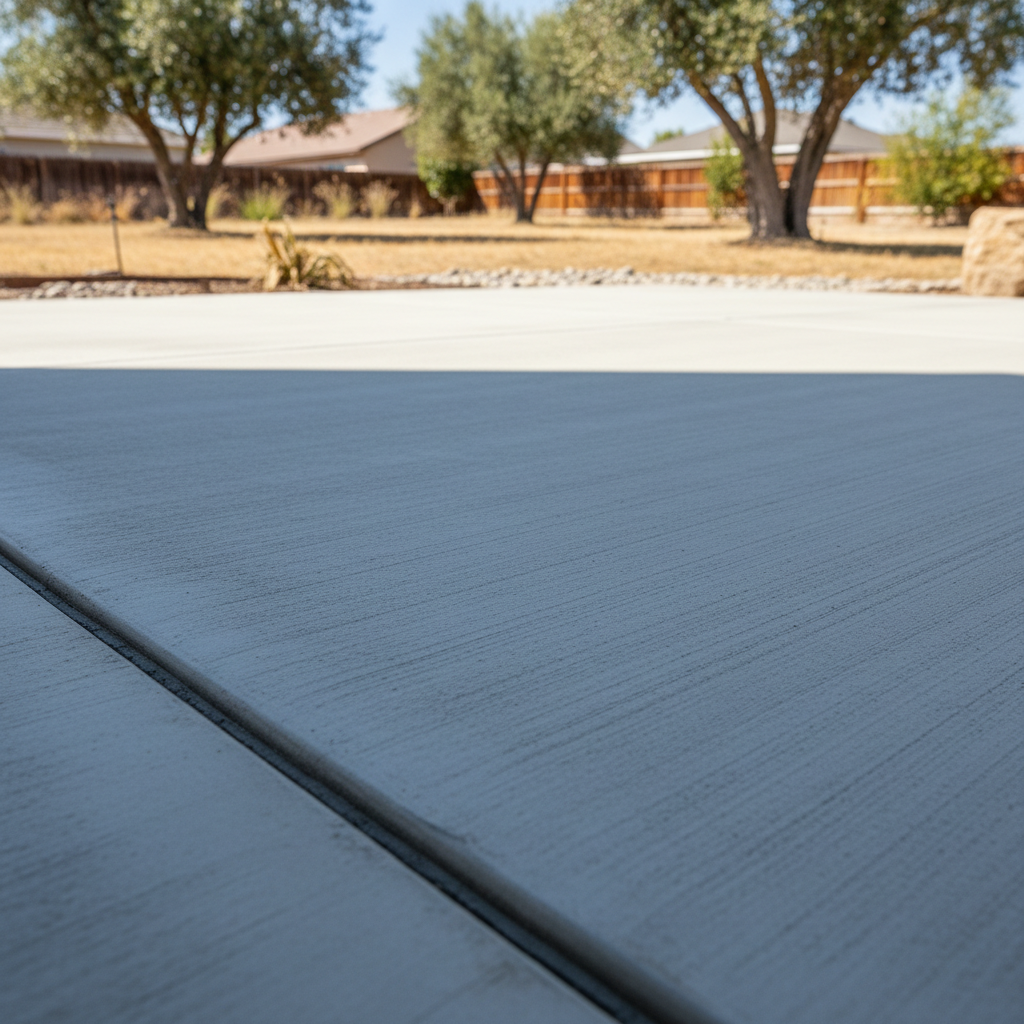
Thinking About a Concrete Project?
So, you're looking at that cracked patio or dreaming of a new backyard path and thinking, "Maybe I can pour some concrete myself." It's a common thought, especially with all the DIY shows out there. And you know what? For some small stuff, you absolutely can. But for bigger projects, or if you want it to last, you're usually better off calling a professional. Let's talk about what's what.
Before You Even Think About Mixing
First things first: what are you trying to build? A small stepping stone? A new basketball court? The scale of the project dictates everything. If it's just a little pad for your trash cans or a small walkway that doesn't need to be perfectly level or support much weight, you might be able to handle it. You'll need to think about:
- Excavation: You gotta dig out the area. This means removing grass, dirt, rocks. For a small path, a shovel might be fine. For a patio, you're looking at a lot of sweat or renting some equipment.
- Sub-base: This is crucial. You need a stable, well-compacted base of gravel (usually 4-6 inches) underneath your concrete. This helps with drainage and prevents cracking. Here in Manteca, with our clay-heavy soils, proper compaction is even more critical to avoid shifting over time.
- Forms: You need to build a sturdy frame to hold the wet concrete in place. This is usually made from lumber (2x4s or 2x6s) and stakes. It has to be level and square.
- Reinforcement: For anything bigger than a stepping stone, you'll want rebar or wire mesh. This isn't optional; it gives the concrete strength and helps prevent it from cracking.
If any of that sounds like a major headache for your project, that's your first sign to consider professional help. A good foundation is everything in concrete work.
Pouring the Concrete: The Big Day
This is where things get real, and fast. Concrete doesn't wait around. Once it's mixed or delivered, you've got a limited window to work with it. For a DIYer, this usually means buying bags of pre-mixed concrete. For anything larger than a few square feet, mixing bag after bag is back-breaking work and almost impossible to get consistent.
If you're going for a larger area, you'd order a concrete truck. That's a whole different ballgame. You need enough hands to move and spread that concrete quickly. It's heavy, it's messy, and it sets fast. You'll need:
- Shovels and rakes: To spread the concrete.
- Screeds: A long, straight board (a 2x4 works) to level the concrete across the forms. This takes practice to get right.
- Floats: Hand floats or bull floats to smooth the surface and bring the cream to the top. Again, skill is key here.
- Edgers and groovers: To create clean edges and control joints. Control joints are important; they're those lines you see in sidewalks that help direct where cracks will form, keeping them straight and less noticeable.
I've seen plenty of homeowners try to pour a decent-sized slab themselves and end up with a lumpy, uneven mess. It's not just about getting it smooth; it's about getting it level, pitched correctly for drainage, and finished properly so it lasts. If you're not confident you can do all that in a short amount of time, don't risk it. That's when Alpha Concrete comes in. We've got the crew, the tools, and the experience to get it done right the first time.
After the Pour: Curing and Care
Okay, let's say you successfully poured your small project. You're not done yet! Proper curing is just as important as the pour itself. Concrete doesn't dry; it cures. This is a chemical process that needs moisture. For at least 3-7 days (longer if it's hot out), you need to keep that concrete damp. You can do this by:
- Misting it with water a few times a day.
- Covering it with plastic sheeting or burlap that you keep wet.
- Using a liquid curing compound (my preferred method for professional jobs).
If you let it dry out too fast, it'll be weaker and much more prone to cracking. Don't walk on it for at least 24 hours, and don't put heavy weight on it for at least a week, sometimes longer depending on the mix and weather.
When to Call a Pro (Like Alpha Concrete)
Look, I'm all for saving a buck and doing things yourself. But for anything that needs to be durable, level, aesthetically pleasing, or involves significant square footage, call a professional. This includes:
- Driveways
- Large patios
- Foundations or structural slabs
- Anything that needs to be perfectly level for a shed or structure
- If you want decorative finishes like stamped concrete or exposed aggregate
We've got the equipment, the experience, and the crew to handle it efficiently and correctly. We'll make sure the sub-base is right, the forms are perfect, the concrete is poured and finished to spec, and it's properly cured. You won't have to worry about renting tools, hauling materials, or ending up with a project you regret. Sometimes, the peace of mind and the quality of a professional job are worth every penny. Give Alpha Concrete a call, and we can talk through your project to see what makes the most sense for you.