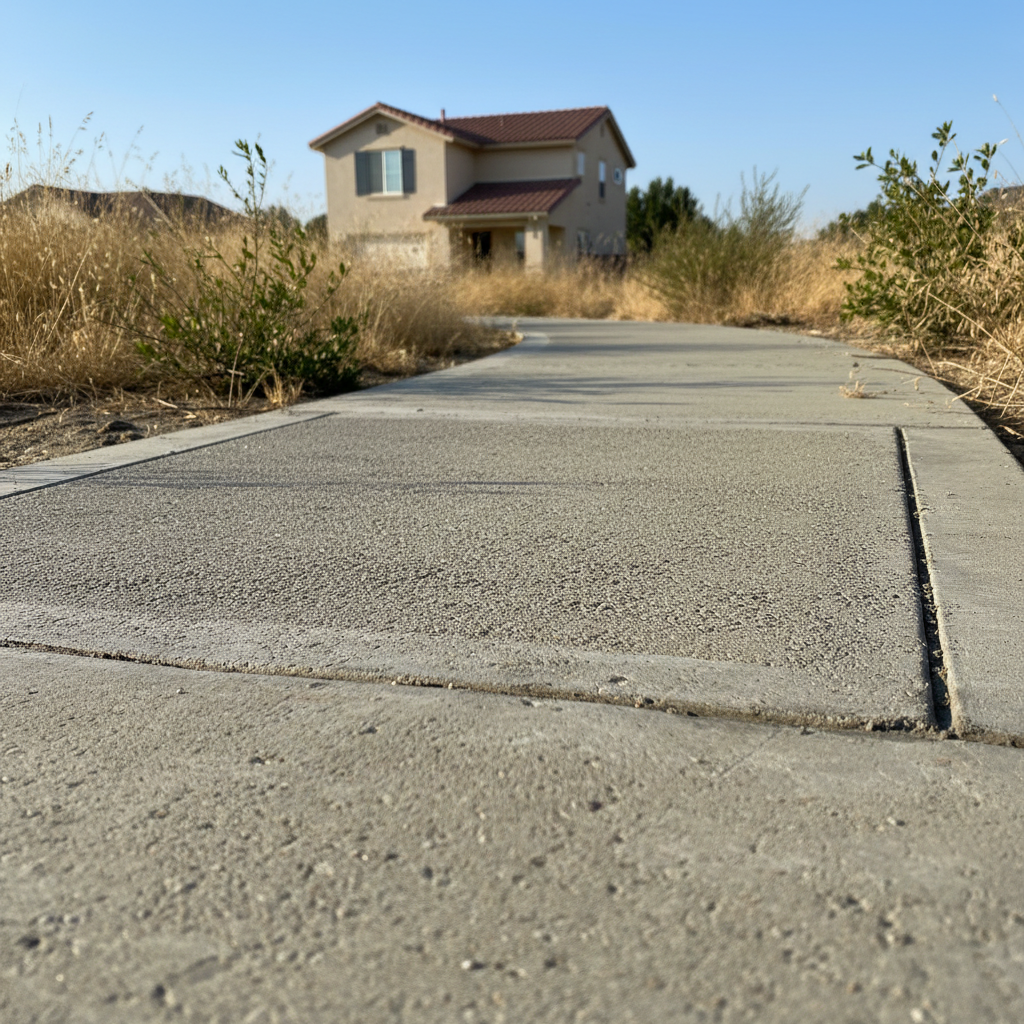
Is That Concrete Crack a Big Deal?
You're just walking across your driveway, maybe enjoying a cup of coffee on your patio, and then you see it: a crack. Or sometimes, a whole network of them. Your first thought probably is, "Oh great, another thing to fix." Before you hit the panic button, let's chat about what these cracks actually mean and what you can realistically do about them.
First off, not all cracks are the same. Some are purely cosmetic, just a natural part of concrete settling and getting older. Others, though, can signal bigger problems. Knowing the difference is super important for deciding if you need to grab a caulk gun or pick up the phone.
Before You Do Anything: Check Out the Damage
Okay, so you've found a crack. Don't just jump straight to patching it up. Take a good, long look. Here's what I always tell folks to think about:
- Size Matters: Is it hairline thin, or can you actually stick a credit card in there? Hairline cracks (under 1/8 inch) usually aren't as serious. Wider cracks, on the other hand, often mean there's been more significant movement.
- Depth and Type: Does it go all the way through the slab? Is it a straight line, or does it spiderweb out? Are the edges of the crack uneven, with one side higher than the other? That's what we call 'heaving' or 'settlement,' and it's a definite red flag.
- Location: Is it in your driveway, a pathway, or a structural slab like a garage floor? Cracks in high-traffic or load-bearing spots definitely need more attention.
- Frequency: Is it just one crack, or are there a bunch? Lots of cracks in a small area can point to underlying issues with the subgrade.
- Water Drainage: Does water pool near the crack after it rains? Water getting in can really make problems worse, especially with our hot summers and those occasional heavy winter rains here in Manteca. If water gets under the slab and then evaporates quickly, it can cause the soil to move around.
Here in Manteca, we've got some pretty expansive clay soils in certain areas, particularly around the older neighborhoods near downtown. This soil can swell up when it's wet and then shrink when it dries out, putting a lot of stress on concrete slabs. That's why you often see more cracking in driveways and patios that don't have good drainage or a well-prepared sub-base — it's just the way things are.
DIY Concrete Repair: What You Can Handle
For those smaller, non-structural cracks – the ones that are mostly cosmetic or just starting to show – you can absolutely do some repairs yourself. You won't make it look brand new, but you can definitely stop further damage and make it look a whole lot better.
Here's what you'll need and how to get it done:
- Clean the Crack: This step is super important. Grab a wire brush, a screwdriver, or even a shop vac to get all the dirt, loose bits, and old concrete out of the crack. It needs to be clean and dry so the repair material can stick properly.
- Choose Your Filler: For hairline cracks, a concrete caulk or sealant works great. If you have slightly wider cracks (up to about 1/2 inch), a concrete crack filler or patching compound is a better bet. Just make sure it's made for outdoor use and can handle temperature changes.
- Apply the Filler: Follow the product instructions, of course. Generally, you'll put it into the crack, slightly overfilling it. Then, use a trowel or a putty knife to smooth it flush with the surrounding concrete. For caulk, a caulk gun and a wet finger or sponge works just fine.
- Cure It: Let it cure according to the manufacturer's directions. Don't drive on it or put heavy weight on it too soon, okay?
This kind of repair is fantastic for keeping water from getting into the crack and freezing/thawing (though we don't get much freezing here, thankfully) or causing the sub-base to erode further. It'll also stop weeds from pushing through and making things look even worse. Nobody wants that.
When to Call Alpha Concrete (or Another Pro)
Now, for the bigger stuff, you really need to bring in the pros. Trying to DIY these can lead to more expense down the road, or even worse, a dangerous situation. Here are the big red flags:
- Wide, Deep, or Uneven Cracks: If you've got cracks wider than a half-inch, or if one side of the crack is noticeably higher than the other, that's a structural issue. This often means the ground underneath has shifted or settled unevenly.
- Multiple Cracks in a Pattern: If you see a lot of cracks forming a pattern, like a spiderweb across a large area, or if they're running in straight lines across an entire slab, that could point to a sub-base problem or even a structural issue with the foundation itself.
- Sinking Slabs: If a section of your driveway or patio has noticeably sunk, or if it's sloping towards your house, you've got a serious drainage and sub-base problem.
- Spalling or Pitting: This happens when the surface of the concrete starts to flake off or develop small holes. It's often due to a poor concrete mix, improper finishing, or exposure to de-icing salts (not a huge issue here, but still possible). While some small areas can be patched, extensive spalling usually means the concrete needs to be resurfaced or replaced.
- Cracks in Your Foundation: Any crack in your home's actual foundation walls or slab should be inspected by a professional immediately. Seriously, don't mess around with that.
When you're dealing with these kinds of issues, it's not just about filling a gap. It's about understanding why the concrete failed in the first place. A professional like us at Alpha Concrete can assess the underlying cause, whether it's poor drainage, soil movement, or an improperly prepared sub-base. We've got the tools and expertise to properly lift, level, or replace sections of concrete, making sure the repair lasts and doesn't just mask the problem.
Look, I get it. Nobody wants to spend money on concrete repair. But addressing bigger issues early can save you a lot of headache and cost in the long run. Don't let a small problem turn into a massive headache. Know your limits, do what you can, and don't hesitate to call in the cavalry when the job gets too big.