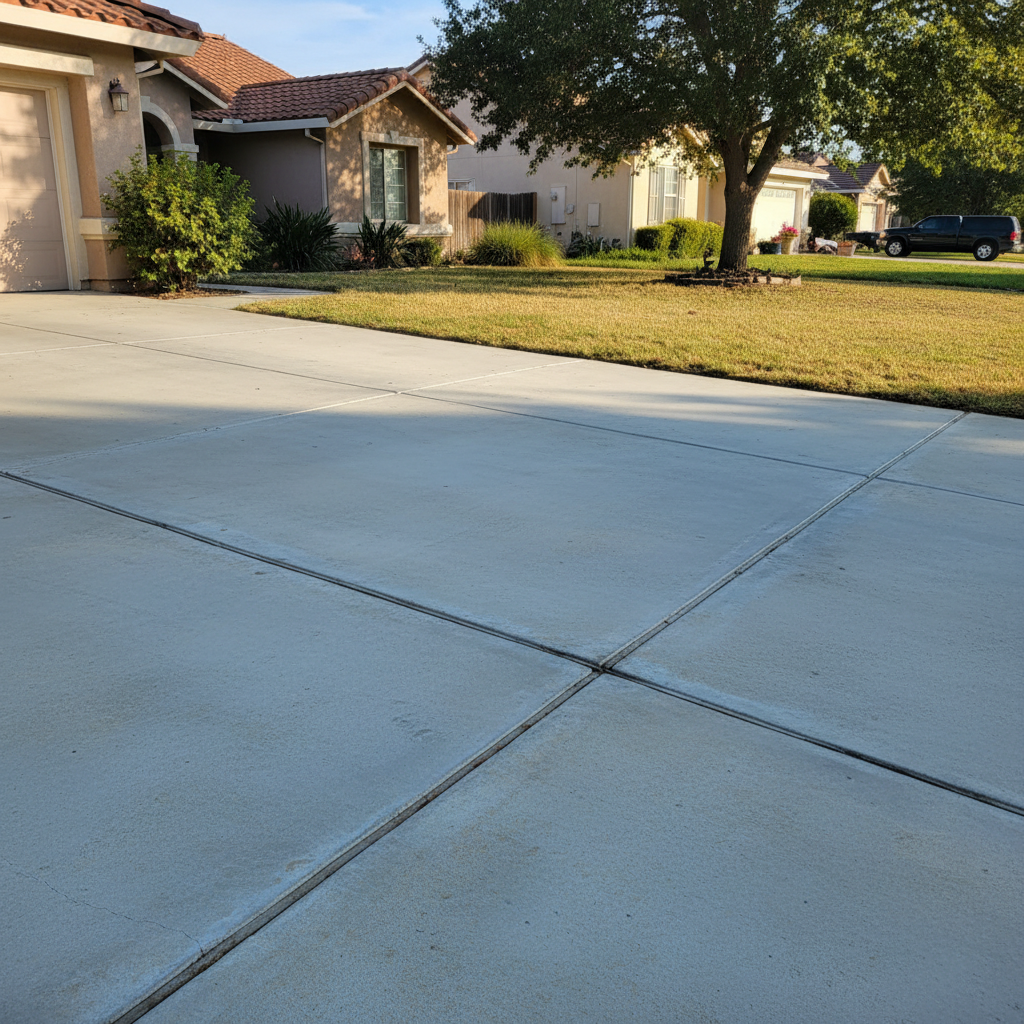
So, you just got that cracked driveway or patio fixed up—maybe Alpha Concrete even did the work for you. Looks pretty good, right? But here's the thing: concrete, even when it's been repaired, isn't really a "set it and forget it" kind of deal. Not around here in Manteca, anyway. You've already put money into that repair, so naturally, you want it to last. That means giving it a little ongoing care.
Making Your Concrete Repair Last Longer
The best thing you can do to get more life out of your concrete repairs is to shield them from the weather and heavy wear. Think of it this way: the repair took care of the immediate issue, but it didn't necessarily change whatever conditions caused the problem in the first place.
- Seal it up: This is a big one, especially for us folks in the Central Valley. Our scorching summers and those occasional heavy winter rains are really tough on concrete. A good quality penetrating sealer, put on correctly, creates a barrier against moisture and UV rays. It stops water from seeping into those tiny pores, which can expand and contract with temperature changes, and that's how new cracks often start. I usually tell people to reseal every 2-3 years, depending on how much traffic it gets and how exposed it is. It's a small cost upfront that really pays off.
- Handle drainage: Water is concrete's worst enemy, period. Make sure rainwater flows away from your concrete surfaces, not toward them. Go check your gutters and downspouts. If water is pooling near a repaired spot, you've got a problem that needs fixing. You might even need a French drain or some landscape adjustments.
- Watch the weight: Don't park heavy RVs or commercial vehicles on residential driveways unless they were truly built for that kind of load. Even repaired concrete has its limits, you know? Try to spread out heavy loads if you can.
- Clean it regularly: Dirt, grime, oil spills—they all wear down concrete over time. A simple sweep and an occasional wash with a mild detergent (nothing too harsh or acidic, please!) will do wonders. Get rid of leaves and other debris fast, especially in fall and winter, because trapped moisture can really cause issues.
What Regular Maintenance Actually Looks Like
For most homeowners, keeping up with regular maintenance isn't some massive chore. It's more about paying attention and taking a few proactive steps.
- Monthly visual check: Just take a stroll around your concrete. Look for anything new or different. Are there new hairline cracks? Is the color changing? Are there any spots where water seems to sit longer than it should?
- Seasonal cleaning: A good pressure wash (on a low setting, don't blast it too hard!) once or twice a year, especially after our dusty summers, helps keep the surface clean. This prevents buildup that can degrade the concrete.
- Weed control: Weeds just love to pop up in any tiny crack or joint. Pull them out as soon as you spot them. Their roots can widen cracks and cause more damage. A weed barrier or herbicide can help keep them away.
- Re-sealing: Like I mentioned, every couple of years. It's not a super tough DIY job if you're comfortable with it, but if you're not, that's definitely something we can help you with.
Warning Signs of Trouble
You're basically looking for anything that suggests the repair isn't holding up, or that new issues are starting. Catching these early can save you a ton of money and hassle down the road.
- New cracks forming: Hairline cracks are one thing, but if you see new cracks wider than a credit card, or if existing ones are getting noticeably bigger, that's a red flag.
- Spalling or flaking: This is when the concrete surface starts to chip or peel away. It often happens when water gets into the concrete and then freezes and thaws, but poor quality concrete or harsh chemicals can also cause it.
- Uneven settling: If one section of your concrete starts to sink or lift compared to another, that points to a problem with the base underneath. This is pretty common in areas with expansive clay soils, like we have around here, which can swell and shrink with moisture changes.
- Discoloration or efflorescence: Those white, powdery deposits (efflorescence) usually mean water is moving through the concrete and leaving behind mineral salts. It's not always structurally damaging, but it definitely signals a moisture problem.
- Pitting: Small holes or craters on the surface can be caused by de-icing salts or if the finishing wasn't done right.
When to Call a Professional
Look, I'm a big believer in homeowners doing what they can. But some things are just beyond a DIY fix, and trying to patch them yourself can often make things worse, or just put off the inevitable.
- Significant new cracking or widening of old cracks: If you're seeing structural cracks, especially ones that run through the whole slab or are getting wider quickly, you really need an expert opinion.
- Uneven settling or trip hazards: If your concrete is sinking or lifting to the point where it's a trip hazard, or if it's affecting your home's foundation, don't mess around. This often indicates soil issues or drainage problems that need professional assessment.
- Extensive spalling or pitting: A small patch of spalling might be manageable, but if large areas are deteriorating, it usually means the concrete itself is compromised. You'll likely need more than just a surface repair.
- Water pooling consistently: If you've tried to fix drainage and water is still pooling on or around your concrete, you might need professional grading or other drainage solutions.
- Anytime you're unsure: Honestly, if you see something that worries you and you're not sure what to do, just give us a call. It's always better to have a professional look at it early than to let a small problem turn into a huge, expensive headache. We're right here in Manteca, and we're happy to come out and take a look, even if it's just to give you some peace of mind.
Taking care of your concrete repairs isn't rocket science, but it does need a little attention. A small amount of effort now can save you from bigger, more expensive repairs down the road. Keep an eye on things, keep it clean, and don't hesitate to reach out if you're concerned. That's what we're here for at Alpha Concrete.