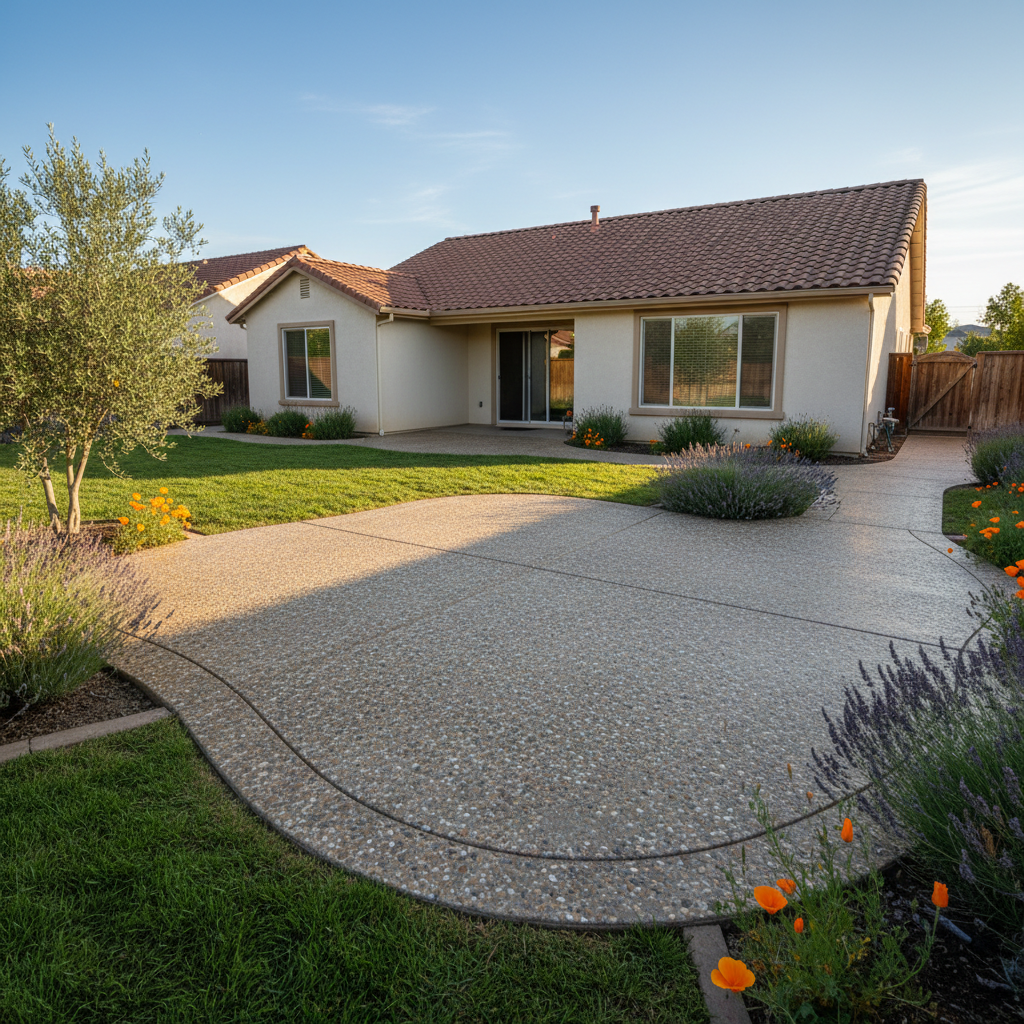
Thinking about getting some new concrete work done around your Manteca home? Maybe a new patio, a driveway extension, or some fresh walkways? Sounds like a great plan! But before we jump into the fun stuff, let's talk about timing. Here in the Central Valley, our weather isn't just a little different; it can really impact how your concrete cures and how long it lasts. Honestly, you wouldn't believe how many folks try to pour concrete in the dead of summer or the middle of winter, only to run into headaches later.
When's the Best Time to Pour Concrete in Manteca?
Honestly, the sweet spot for concrete installation here in Manteca is usually spring and fall. We're talking late March through early June, and then again from late September through November. Why those times? It all boils down to temperature and humidity, really.
Concrete needs to cure properly, and that's a chemical process super sensitive to temperature. If it's too hot, the water in the mix evaporates way too fast. That often leads to cracking and a weaker slab. If it's too cold, the curing process slows down dramatically, or can even stop altogether, which also messes with the strength and durability. We're always looking for that Goldilocks zone – not too hot, not too cold, just right.
Dealing with Manteca's Summer Heat
Our summers here are brutal, right? Triple-digit days are common, especially in July and August. Pouring concrete when it's 100+ degrees out is a real challenge. The concrete dries out way too fast, making it tough to work with and prone to surface cracking – we often call that 'plastic shrinkage cracking.' We can take some precautions, sure, like adding retarders to the mix or using special curing compounds, but it's still a fight against Mother Nature. If you absolutely have to pour in summer, we'll need to start super early in the morning, maybe even before the sun fully rises, and make sure we've got plenty of shade and water on hand. It's not ideal, but sometimes schedules just demand it.
Winter Worries: Cold and Rain
On the flip side, winter brings its own set of problems. While our winters aren't as harsh as, say, the Midwest, we still get plenty of cold, damp days and sometimes even a good hard frost. Concrete needs to stay above freezing for at least 24-48 hours after it's poured to cure properly. If it freezes, the water expands, damaging the concrete's internal structure. That means a weaker, more porous slab that won't last nearly as long.
Rain is another big factor. You simply can't pour concrete in the rain. Period. It washes out the cement, weakens the mix, and makes a huge mess. Even if it's just drizzling, it's a no-go. We're always watching the forecast like hawks during the wetter months, which is why sometimes we might have to reschedule a job last minute if a storm rolls in. It's frustrating for everyone involved, but it's always better to wait for clear weather than to pour a bad slab.
Protecting Your Concrete Investment Year-Round
Once your concrete's in, your job isn't quite done. You've got to protect that investment. Here's what I tell all my clients:
- Curing is Key: For the first week or so, keep that concrete moist. We'll apply a curing compound, but sometimes a light misting with water, especially on hot days, can really help. This helps the concrete reach its maximum strength, you see.
- Seal It Up: After about 28 days, once it's fully cured, apply a good quality concrete sealer. This is huge for protecting against stains, water absorption, and general wear and tear. Think of it like sunscreen for your concrete. You'll want to reapply it every couple of years, depending on traffic and how much sun it gets.
- Watch for Cracks: Small hairline cracks are normal; concrete shrinks a bit as it cures. But if you see larger, expanding cracks, especially near the edges or corners, give us a call. We can often fill them before they become a bigger problem.
- Clean Regularly: Don't let dirt, leaves, or oil sit on your concrete for too long. A simple sweep and occasional pressure wash (on a low setting, please!) will keep it looking good and prevent stains from setting in.
- Be Mindful of Heavy Loads: While concrete is strong, constantly driving heavy vehicles or placing extremely heavy objects on areas not designed for them can cause damage. Your standard driveway is built for cars, not necessarily an 18-wheeler.
We've been doing concrete work in Manteca for years, and we've seen it all. From the dry, cracked slabs in older neighborhoods like those around Northgate, to the perfectly smooth patios in newer developments, the weather plays a huge role. Getting the timing right and taking care of your concrete afterward makes all the difference in how long it lasts and how good it looks. If you've got questions about your specific project, or when the best time to schedule it might be, don't hesitate to reach out to us at Alpha Concrete. We're always happy to chat about it.