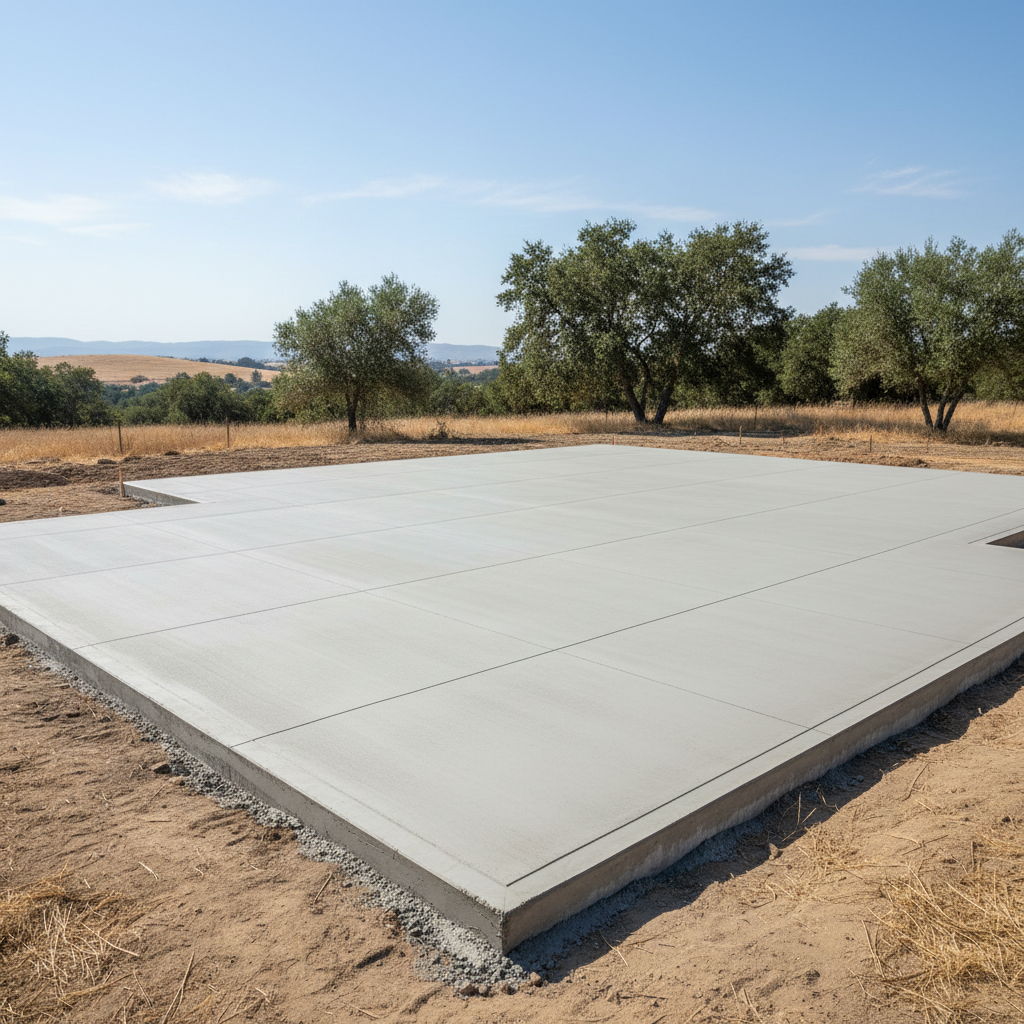
Think about your home's foundation. It's probably not something you spend a lot of time looking at, right? Most folks don't, until there's a problem. But that concrete slab or perimeter footing is literally holding everything up. Keeping it in good shape isn't just about avoiding big, expensive fixes; it's about protecting your whole investment, pure and simple.
Why Foundation Upkeep Matters Here in Manteca
California's climate, especially here in the Central Valley, really puts our homes through their paces. We get those long, hot, dry summers that can bake the ground hard, then wet winters follow. This constant expansion and contraction of the soil around your foundation, particularly in areas with a lot of clay like we have near Woodward Park, can put a surprising amount of stress on your concrete. If you've got a raised foundation, moisture is your enemy. If it's a slab, differential settlement from soil movement is the big concern. Good maintenance helps keep these issues from getting out of hand.
Regular Checks: What to Keep an Eye Out For
You don't need to be a concrete expert to spot potential issues. Just take a walk around your house a couple of times a year — maybe in spring and then again in late fall. Here's what I tell my clients to look for:
- Cracks: Not all cracks are bad. Hairline cracks are pretty common and usually just cosmetic. But if you see cracks wider than a quarter-inch, or if they're running horizontally, or if they're stair-stepping through your brick or stucco, that's a red flag. Pay attention to cracks that seem to be growing, too.
- Moisture: Look for standing water near your foundation after it rains or after you water your lawn. Check for damp spots or efflorescence (that white, powdery stuff) on the concrete itself. Good drainage is crucial, wouldn't you agree?
- Landscaping: Are tree roots getting too close to the foundation? Roots can suck moisture out of the soil unevenly, leading to settlement, or they can directly push on the concrete. Also, make sure your flowerbeds aren't built up against the house higher than the foundation. You want at least 6-8 inches of exposed foundation above grade.
- Gutters and Downspouts: Are they clear? And are they diverting water well away from the foundation? If water is just dumping right next to your house, you're asking for trouble.
- Interior Signs: Don't forget to look inside. Sticking doors or windows, cracks in drywall, or uneven floors can all point to foundation movement.
Simple Steps to Extend Your Foundation's Life
Most of what you can do is pretty straightforward and focuses on managing water around your home. Water is the main culprit for most foundation problems, after all.
- Keep Soil Moisture Consistent: This sounds counterintuitive, but letting the soil get bone dry and then soaking it can be worse than keeping it consistently damp. During our long dry spells, consider a soaker hose around the perimeter of your foundation, about 12-18 inches out, to keep the soil from shrinking too much. Don't overdo it; you're just aiming for consistent moisture, not a swamp.
- Ensure Good Drainage: This is huge. Make sure the ground slopes away from your house at least 6 inches over the first 10 feet. If it doesn't, you might need to add some soil to create that slope. Extend your downspouts so they discharge water at least 5-10 feet away from the foundation.
- Trim Trees and Shrubs: Keep larger trees and shrubs a good distance from your foundation. Their roots are powerful. If you've got existing large trees close by, talk to an arborist about root barriers or targeted watering.
- Seal Cracks (Carefully): For those small, non-structural cracks, you can seal them with a concrete caulk or sealant. This prevents water from getting in and freezing (not a huge issue here, but it happens sometimes) or causing further erosion. If you're unsure if a crack is structural, don't just patch it up.
When to Call a Pro (Like Us at Alpha Concrete)
Look, sometimes things go beyond simple maintenance. If you see any of those red flag cracks I mentioned – wide, horizontal, stair-stepping, or rapidly growing – it's time to get an expert opinion. If your doors or windows are really sticking, or you've got significant interior drywall cracks, don't wait. Unexplained standing water in your crawl space (if you have one) is also a serious concern.
We can come out, assess the situation, and give you an honest evaluation. Sometimes it's a simple fix; other times it might be something more involved like foundation underpinning or drainage system installation. The key is to address it early before it turns into a much bigger, more expensive headache. Don't let a small issue become a major structural problem. Your home deserves a solid base.