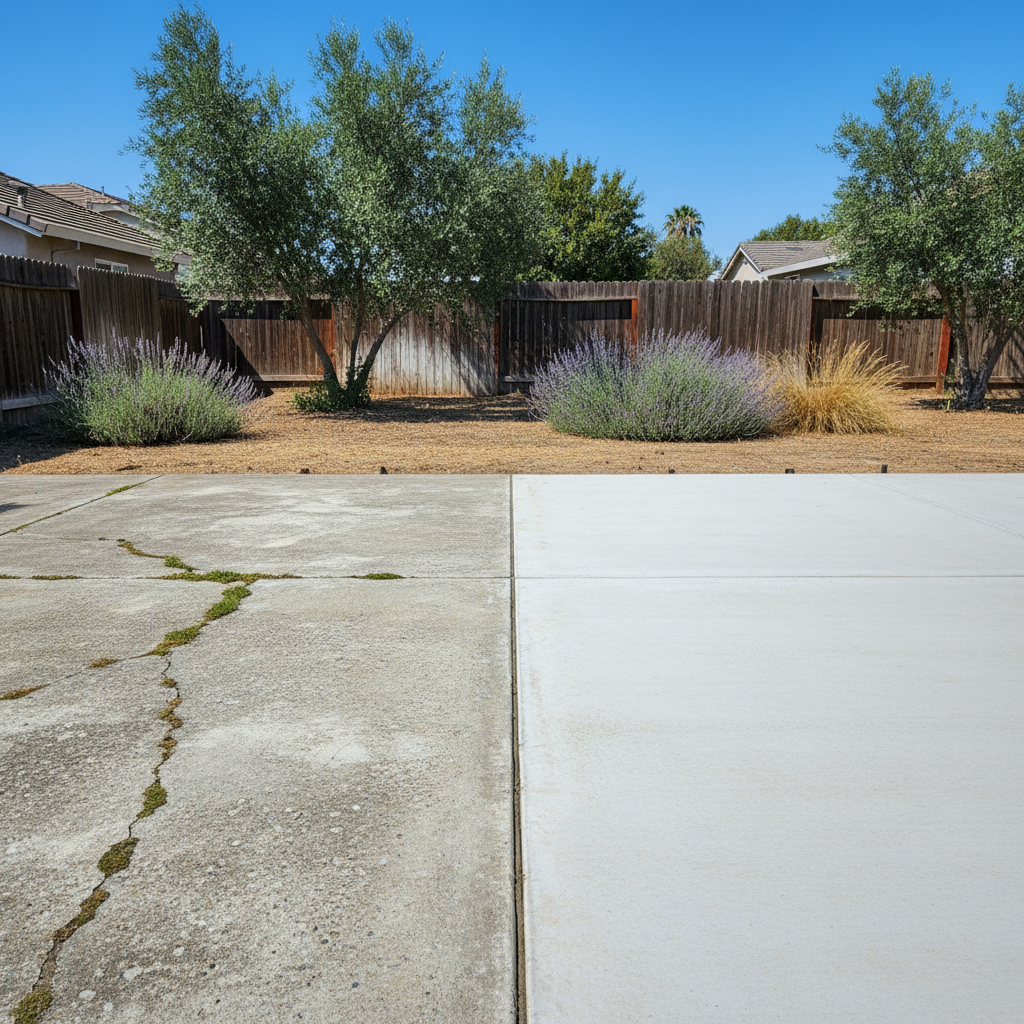
Alright, let's talk about driveways, patios, walkways – anything flat outside your house. You've got a couple of big choices when it comes to the surface, and two of the most common are traditional poured concrete slabs and interlocking pavers. So, which one's right for you?
Poured Concrete: The Tried and True
When most folks think about a driveway, they're picturing poured concrete. It's what we've been doing for ages, and for good reason. You get a big, continuous slab, usually with some control joints cut into it to manage cracking. It's pretty straightforward, and honestly, it's often the most budget-friendly option upfront.
Cost: Generally, poured concrete costs less per square foot to install. You're paying for the material, the forms, and the labor to pour and finish it. It's a quicker installation process too, which helps keep labor costs down. If you're looking to cover a lot of ground without breaking the bank, this is usually your best bet.
Durability: A well-poured concrete slab, with the right rebar or wire mesh and proper curing, is incredibly strong. It can handle heavy vehicles, our hot Manteca summers, and even the occasional frost we get in winter. The biggest enemy of concrete is cracking, which can happen due to ground movement, an improper sub-base, or just natural expansion and contraction. We see a lot of expansive clay soils around here, especially in older neighborhoods like those off Airport Way, which can put extra stress on concrete if it's not prepped right. That's why proper sub-grade compaction and reinforcement are crucial.
Maintenance: Pretty low. You'll want to seal it every few years to protect it from stains and moisture, and sweep it regularly. If you get a crack, you can often fill it, but a major crack might mean patching (which rarely looks seamless) or even replacing a section. Oil stains? You'll need to clean those up pretty quick before they soak in.
Appearance: It's a classic, clean look. You can get different finishes – smooth, broom, exposed aggregate – and you can even add color or stamp it to mimic other materials. But at its core, it's a solid, monolithic surface. If you're going for a sleek, modern vibe, or just want something understated, poured concrete works great.
Interlocking Pavers: The Flexible Choice
Pavers are individual units, usually made of concrete, that fit together like puzzle pieces. They sit on a prepared gravel base and a layer of sand, and then sand is swept into the joints to lock them in place. They've become super popular because they offer a lot of design flexibility and have some unique advantages.
Cost: This is where pavers usually cost more upfront. The material itself is often pricier per square foot, and the installation is more labor-intensive. Each paver needs to be laid individually, and the base preparation is very specific. So, expect to pay a bit more for a paver driveway or patio compared to a plain concrete slab of the same size.
Durability: This is where pavers really shine in some ways. Because they're individual units and not a solid slab, they can flex and move slightly with ground shifts or temperature changes without cracking. If one paver gets damaged, you can pull it out and replace just that one. No ugly patches. They're incredibly tough and can handle heavy loads just fine, as long as the base is installed correctly. We've seen some serious soil movement in areas of Manteca, and pavers often handle it better than a continuous slab.
Maintenance: Generally low, but a bit different from concrete. You'll need to sweep them to keep the joints clear of debris. Over time, the sand in the joints can wash out or settle, so you might need to sweep in new sand every few years. Weeds can also sprout in the joints, which is a common complaint, but a good polymeric sand can really help with that. You can also seal pavers to protect their color and make cleaning easier.
Appearance: This is a huge selling point for pavers. You get an incredible range of colors, shapes, and textures. You can create intricate patterns, borders, and designs that you just can't do with a single poured slab. They offer a more upscale, custom look that can really boost your home's curb appeal.
My Take: What's Best for Manteca Homeowners?
So, which one should you go with? It really boils down to your priorities and budget. If you're looking for the most economical option upfront, and a clean, durable surface that gets the job done, poured concrete is a solid choice. Just make sure your contractor, like us at Alpha Concrete, does the proper sub-grade prep and uses adequate reinforcement to minimize cracking, especially with our local soils.
However, if your budget allows for it, and you want maximum flexibility, easier repairs, and a more custom, high-end look, then pavers are a fantastic investment. Their ability to handle ground movement without cracking is a big plus in our area. They're also great if you ever need to access utilities underneath – you can just lift the pavers, do your work, and put them back.
Ultimately, both are great options when installed correctly. Think about the look you want, how much you want to spend, and how much you care about the long-term flexibility. Either way, make sure you're working with someone who knows what they're doing when it comes to base prep and installation. That's the real secret to a long-lasting driveway or patio, no matter the material.