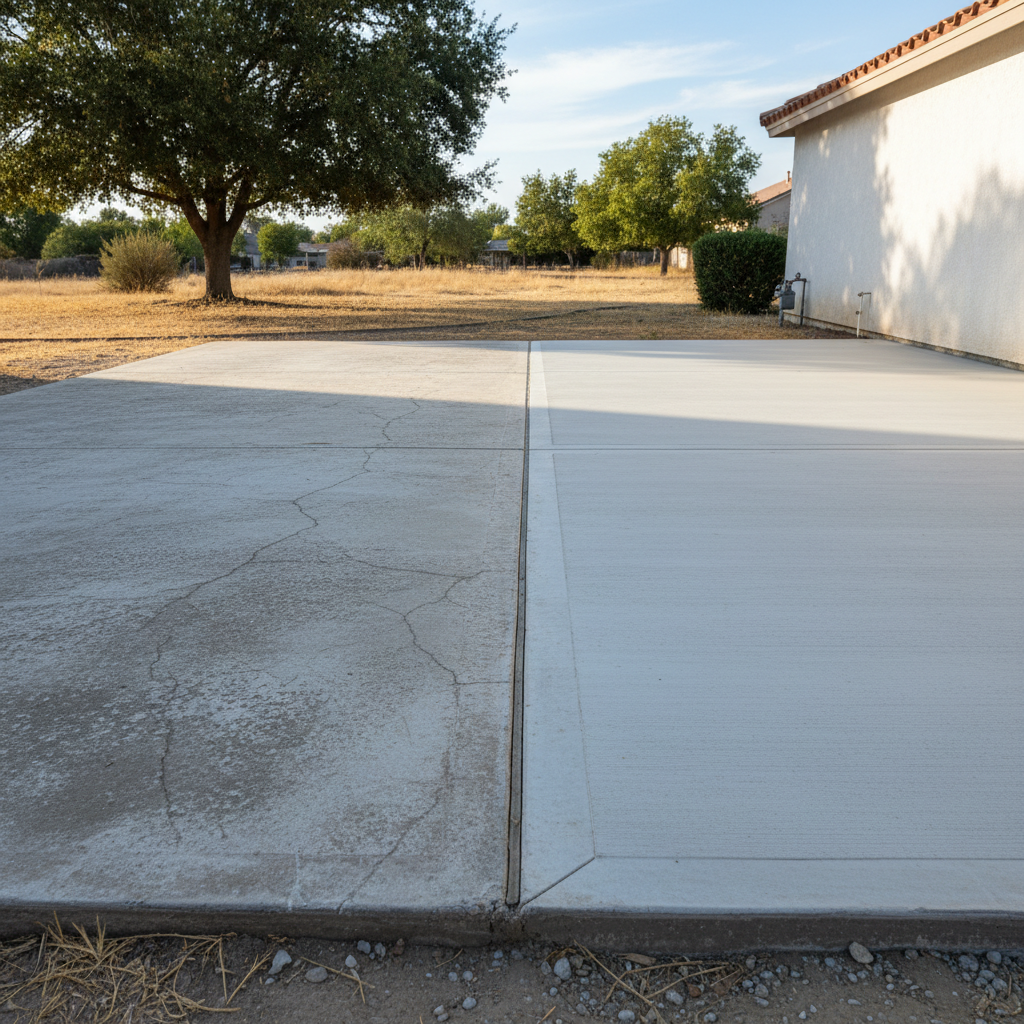
Alright, so you're building a new home, adding an extension, or maybe even just replacing a seriously messed-up foundation here in Manteca. One of the first big decisions you'll face is what kind of foundation to go with: slab-on-grade or a raised foundation. Both have their pros and cons, and what's right for your neighbor down in the Woodward Park area might not be the best fit for your place near the airport, you know? Let's dig in.
Slab-on-Grade Foundations: The Basics
A slab-on-grade foundation is pretty much what it sounds like. We pour a concrete slab directly on the ground, usually with thickened edges and footings that go down into the soil. It's one solid piece of concrete that your house sits right on top of.
Cost
Generally speaking, slab foundations are cheaper to build upfront. There's less digging, less material (no crawl space walls, floor joists, or subfloor), and often a quicker build time. If budget is your absolute top priority, a slab usually wins here.
Durability & Maintenance
They're incredibly durable. You've got a solid piece of concrete, so you don't have to worry about wood rot, termites in a crawl space, or critters nesting under your house. Maintenance is pretty minimal once it's in. The biggest concern is usually plumbing leaks under the slab, which can be a real headache to fix because you have to break up the concrete. Also, if there's significant soil movement – and we do get some expansive clay soils around here in the Central Valley – a slab can crack, and those cracks can transfer up into your walls.
Appearance
Appearance isn't really a factor for the foundation itself, as siding or stucco usually covers it. What you do get is a very low-profile look for your house, sitting close to the ground.
Raised Foundations: What You Need to Know
A raised foundation, sometimes called a pier-and-beam or crawl space foundation, involves concrete footings and a perimeter stem wall, with a crawl space underneath your house. Then we build a wood-framed floor system on top of that.
Cost
These foundations are typically more expensive to build than slabs. You've got more digging, more concrete for the footings and stem walls, and then all the lumber for the floor joists, blocking, and subfloor. It's more labor-intensive too.
Durability & Maintenance
Raised foundations are fantastic for access. If you have a plumbing leak, an electrical issue, or need to run new wiring, you can usually get right into the crawl space to deal with it. This saves a ton of hassle and cost compared to breaking up a slab. They're also more forgiving with minor soil movement because the wood floor system has some flexibility. The downside is that crawl spaces can be susceptible to moisture issues, pests, and even seismic damage if not properly braced. You'll want to make sure you have good ventilation and regular inspections.
Appearance
A raised foundation gives your house a bit more stature, lifting it off the ground. This can look more traditional or grand, depending on the architectural style.
My Recommendation for Manteca Homeowners
Look, both options are solid when done right. But if I'm being honest, for most homes in Manteca, especially considering our climate and soil conditions, I lean towards a raised foundation.
Here's why:
- Access for Repairs: This is huge. Plumbing issues happen. Electrical updates happen. Being able to get under your house without jackhammering your floor is a massive advantage down the line. We've seen plenty of folks with slab leaks who wished they had a crawl space.
- Flexibility with Soil: While we always do our best to prep the ground, our Central Valley soils can be a mix. A raised foundation's wood floor system can handle minor shifts better than a rigid slab, which is more prone to cracking under stress.
- Comfort: A crawl space provides an air buffer between your living space and the ground. This can make your floors feel warmer in the winter and potentially cooler in the summer, contributing to better energy efficiency and comfort.
- Pest Control: While crawl spaces can attract pests if not sealed, a well-maintained and properly vented crawl space is easier to inspect and treat for termites or rodents than trying to figure out where they're getting into a slab home.
Now, if you're building a garage or a small shed, a slab is usually the way to go. It's simple, cost-effective, and you don't need the same kind of access. But for your main living space, the long-term benefits of a raised foundation often outweigh the initial higher cost.
Ultimately, it comes down to your priorities and budget. If you're weighing these options, give us a call at Alpha Concrete. We've poured hundreds of foundations around here, and we can walk you through the specifics for your particular project and property.